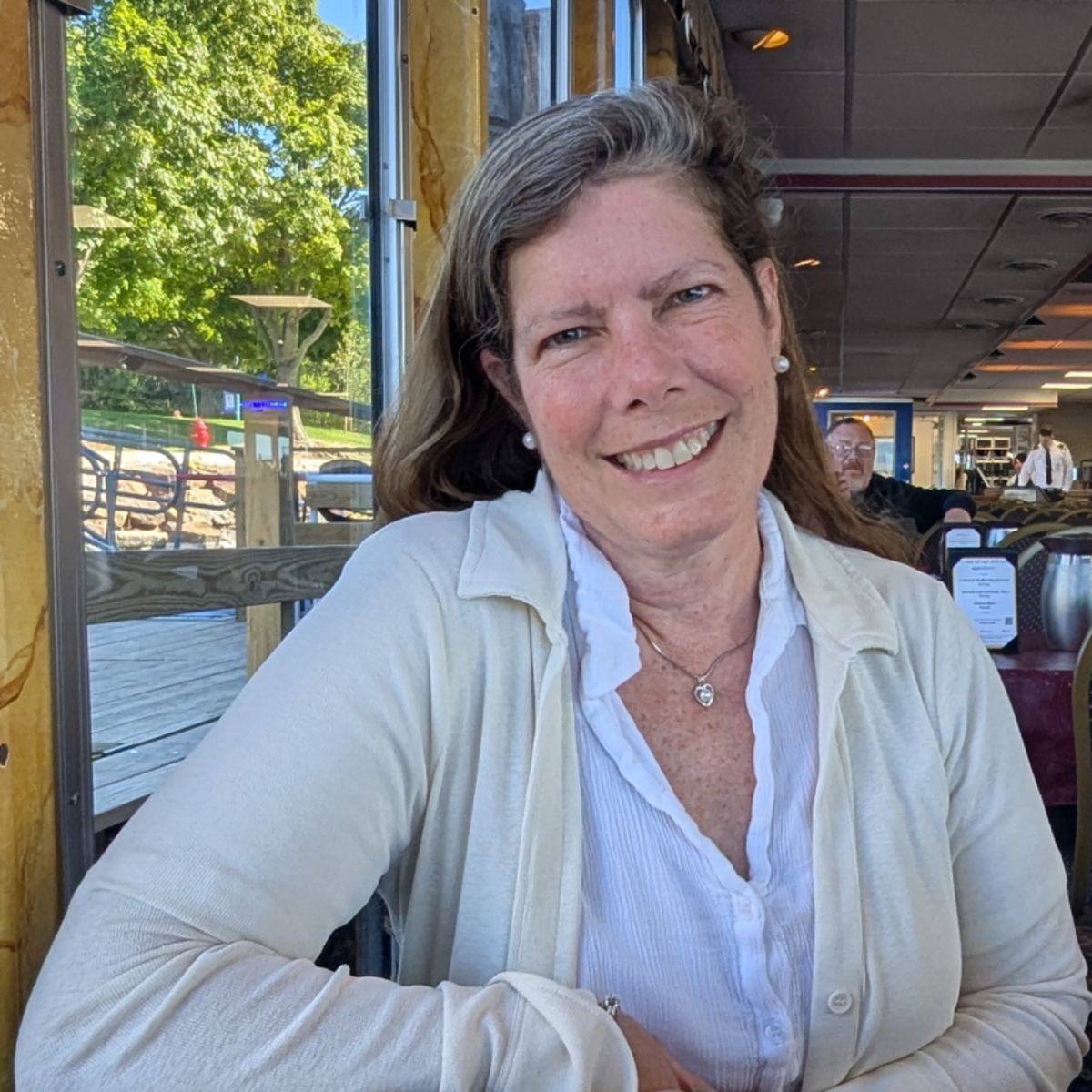

Hey. Hope you had a great week! I'm Kathleen, and every week I dig through the noise to find the most interesting AI updates and explain what they actually mean for small business owners.
This week, the theme is simple: AI tools are becoming more personalized and more proactive. Instead of waiting for you to tell them exactly what to do, they're starting to learn how you work and help you accomplish tasks faster.
Let's jump in.
Claude Is Becoming More Like a Team Member Than a Chatbot
Anthropic introduced Claude Tag for Slack this week, and while the name makes it sound like a simple tagging feature, the bigger story is what Claude can do once it's brought into a conversation.
Traditionally, AI assistants have been reactive. You ask a question, they answer it, and the interaction ends.
Claude Tag moves beyond that model.
When someone tags @Claude in a Slack conversation, Claude can use your organization's connected tools, understand the context of the discussion, remember relevant information from the channels it's participating in, and even handle specific tasks.
Why This Matters
This is another sign that AI is moving away from being a chatbot and toward becoming an active participant in business operations.
Imagine a conversation about:
a customer issue
a project deadline
a marketing campaign
an employee onboarding process
Instead of simply answering questions, Claude can help track the discussion, gather information, and assist with follow-up work.
What You Need
To use Claude Tag, you need:
Slack
Claude integrated with Slack
Connected business tools and data sources
How It Works
Set up the Claude identity and access permissions
Tag @Claude in relevant Slack conversations
Claude gains access to the context of the discussion and assists with tasks and follow-up actions
For small businesses, this could mean fewer things slipping through the cracks, with Claude working within the organization more like an assistant than a chatbot.
Anthropic Launches Claude Corps
Anthropic announced a new initiative called Claude Corps, designed to help nonprofits, community organizations, and individuals gain access to AI tools, training, and support.
The program focuses on two groups that are often left behind when new technologies emerge:
nonprofits trying to do more with limited resources
people early in their careers who want to learn practical AI skills that can help them find work and build careers
Small business owners know better than anyone that learning new technology takes time. One of the biggest barriers to AI adoption isn't the software—it's understanding how to use it effectively.
Programs like Claude Corps will help create more AI-literate workers, future employees, volunteers, and community leaders. Over time, that means more people entering the workforce with practical AI experience instead of needing to learn everything from scratch.
Grok Introduces Goal
Grok introduced a new feature called Goal, which allows users to define an outcome they want to achieve and have the AI help work toward that objective over time.
The /goal feature operates inside Grok's Build CLI (command-line interface) and is designed for software development projects.
When a user creates a goal, Grok can launch multiple AI engineering agents that work together on coding tasks such as:
writing code
editing files
refactoring applications
running tests
inspecting webpages
executing local development tools
It works like a Project Manager working towards an established goal and Grok maintains context around it, by executing tasks, interacting with tools, and completing multi-step workflows.
For small business owners, this same concept is starting to appear inside business software—but in a simpler user-friendly form.
The Bigger Trend
AI companies are moving away from generic chatbots and toward systems that:
understand your preferences
remember how you work
support longer-term projects
help teams collaborate more effectively
For small business owners, that means less time explaining yourself to AI and more time getting useful work done.
The businesses that benefit most from AI over the next few years probably won't be the ones using the most tools.
They'll be the ones building simple, repeatable systems that help them work faster, communicate better, and stay focused on what matters most.
That’s it for this week — hopefully this gives you a clearer picture of how AI is becoming an integral part of everyday small business operations and inspires a few ideas that could make your work a little easier. See you next week with more practical AI updates.
Yours in success,
Kathleen
P.S. Forward this to one business-owner friend who’s still “figuring out AI.” You’ll look like the smart one. 😊
