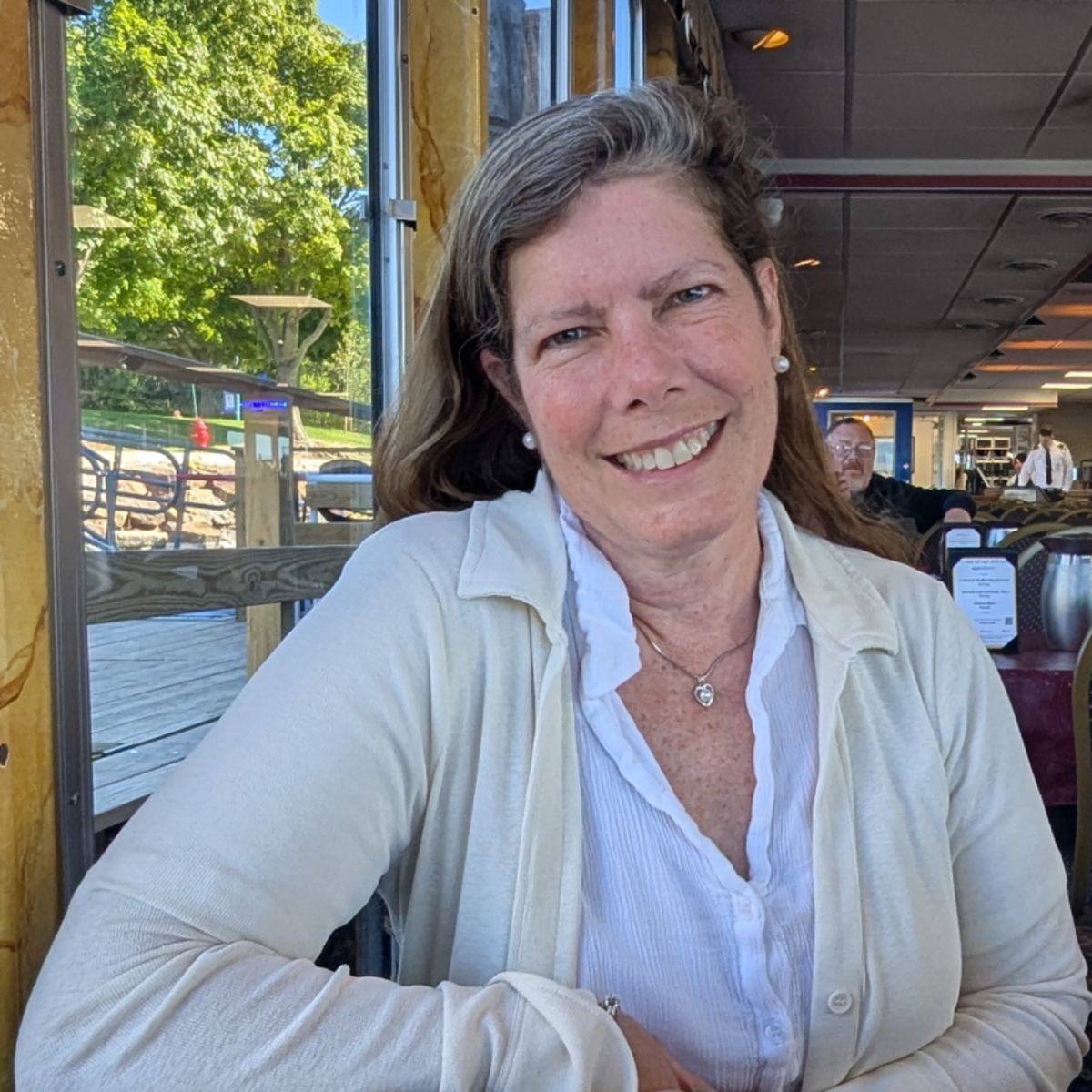

Hey. Hope you had a great week! I’m Kathleen, and every week I dig through the noise to find the easiest, coolest AI updates you can use immediately.
Let’s jump in.
ChatGPT Is Learning to Be a Coworker, Not Just a Chatbot
OpenAI introduced ChatGPT Work this week, and if you're experiencing a little déjà vu, you're not imagining it. Anthropic announced a similar capability just a few weeks ago. It's another sign that AI companies are racing to build digital coworkers, not just chatbots.
Until now, most of us have used ChatGPT one conversation at a time. We ask it to write an email, brainstorm ideas, summarize a document, or answer a question.
ChatGPT Work is designed to take things much further.
Instead of asking AI to complete one task, you give it a goal. From there, it can work across multiple steps, using files, websites, and connected workplace tools to complete an entire project.
Instead of asking one question at a time, ChatGPT Work can:
research information
create documents
build presentations
work with your files
browse websites
continue working while you're focused on something else
connect with workplace applications
Think of it less as hiring a writer and more as assigning work to a teammate.
Why This Matters
For small business owners, this represents a shift in how we'll use AI. Instead of asking AI for help with individual tasks, we'll increasingly ask it to accomplish objectives.
"Research three payroll providers and summarize the differences."
"Create a presentation from last month's sales data."
"Review our customer feedback and identify the top five complaints."
Those are very different requests than, "Write me an email about this or that."
The more AI can manage complete workflows, the more time business owners get back to focus on serving customers and growing their businesses.
AI Is Helping Small Businesses Compete in New Ways
Several articles caught my attention this week, but they all pointed to the same conclusion.
AI isn't replacing small businesses. It's making them more competitive.
Mark Cuban recently encouraged graduates entering the workforce to look at opportunities with small businesses because AI is helping level the playing field. At the same time, Business Insider highlighted how small businesses are using AI to accomplish work that once required agencies, specialists, or much larger budgets.
That's an important distinction.
Most small business owners aren't adopting AI because they want fewer employees. They're adopting it because they finally have access to capabilities that used to be out of reach.
Today, a small business can use AI to:
create marketing content
analyze customer feedback
draft proposals
organize operations
automate repetitive administrative work
improve customer communication
All without hiring additional specialists.
Another report reinforced this trend by showing that hiring isn't shrinking because of AI—it's changing. Employers are placing greater value on people who can adapt, solve problems, and work effectively alongside AI tools.
For decades, larger companies had advantages because they could afford bigger teams, outside consultants, and specialized expertise. AI is helping close that gap.
Small businesses still need talented people. But now those people can accomplish more than ever before. The businesses that thrive won't necessarily be the ones with the biggest budgets. They'll be the ones that learn how to combine good people with the right AI tools.
The Bigger Trend
Both of this week's stories point to the same shift. AI isn't reducing the value of people. It's changing the value of the work people do.
Routine tasks are becoming easier to automate, while judgment, creativity, relationship-building, and problem-solving are becoming even more valuable.
That's good news because the goal isn't to replace people with AI. The goal is to free up people to spend more time doing the work that only people can do.
That’s it for this week—hopefully this gives you a clearer picture of how AI is changing the way small businesses operate and gives you a few ideas for where these tools can make the biggest impact. As always, my goal is to help you understand what matters without getting lost in the hype. See you next week with more practical AI updates.
Yours in success,
Kathleen
P.S. Forward this to one business-owner friend who’s still “figuring out AI.” You’ll look like the smart one. 😊
